




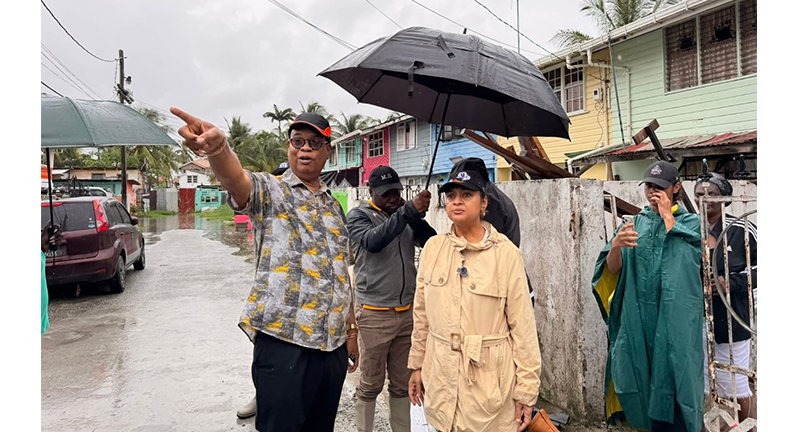
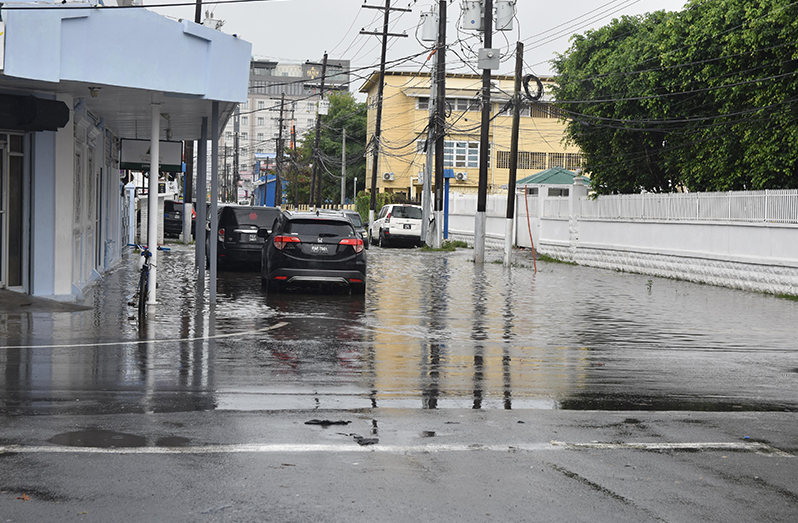
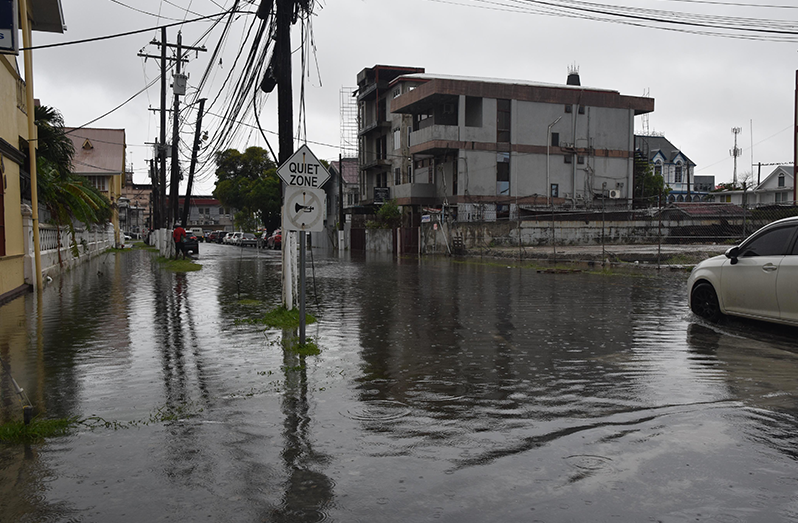
Guyana has long been recognised as a land of rivers and waterways, a vital aspect of its geography and identity. However, this very feature also makes the country highly vulnerable to flooding, particularly as much of its coastal population resides below sea level. Since the era of Forbes Burnham, there has been an awareness of this reality and the urgent need to safeguard citizens through strong, effective drainage and flood management systems.
Despite this longstanding understanding, challenges have endured over the decades. Concerns often emerge regarding the effectiveness of local governance in Georgetown, where responsibility for drainage and sanitation is crucial. Increased accountability and proactive leadership at the municipal level are necessary to address recurring flooding problems and protect communities.
While the current Government has shown responsiveness—deploying ministers, mobilising resources, and engaging directly with affected residents—there is also a growing view that Guyana’s flooding problems require specialised expertise at an international level. Flood management in a low-lying country is a highly technical field, and long-term solutions demand advanced engineering, careful planning, and sustained investment.
In this regard, it may be beneficial for Guyana to collaborate with international experts who have successfully managed similar conditions. Countries like the Netherlands, which have extensive experience in living below sea level, have developed world-class flood control systems through innovation, technology, and strategic planning. Partnering with such expertise could provide Guyana with practical, proven solutions suited to its unique landscape.
It is essential to recognise that many developed nations actively attract global talent and technical expertise to solve complex challenges. Whether in India, the United States, or the United Kingdom, governments often collaborate with international specialists to improve their systems and deliver results for their citizens.
Guyana could adopt a similar approach—combining local knowledge with international expertise—to create a more resilient and sustainable flood management system. This allows the country to move beyond short-term fixes and implement lasting solutions that protect lives, support development, and secure the future of its communities.
Flooding in Georgetown continues to disrupt the daily lives of citizens, and there is growing concern that the issue is being politicised by the People’s National Congress rather than being addressed with the urgency it deserves. The situation calls for decisive leadership, and the Government of Guyana should take the initiative to move beyond the limitations of the Georgetown city council and implement a national-level solution.
This ongoing flooding crisis cannot be effectively resolved without specialised expertise. Therefore, it is crucial for the Government to engage experienced flood management experts from abroad who can design and implement a comprehensive, long-term solution. Countries like the Netherlands have successfully managed similar challenges, and their expertise could be invaluable in solving Guyana’s situation once and for all.
Human Behaviour Compounding Flood Risks
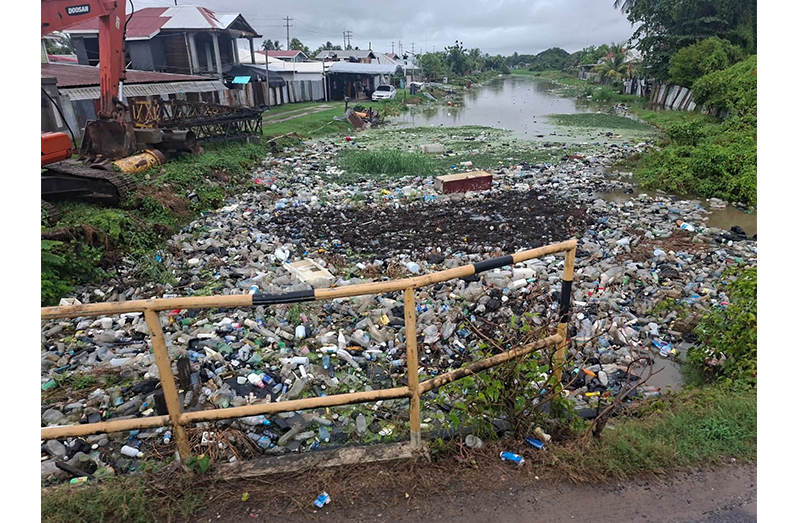
At the same time, it is unacceptable that public behaviour continues to contribute to the problem. The indiscriminate dumping of rubbish into drains and waterways is a major cause of flooding and must be tackled decisively. The Government should impose strict penalties, including fines of up to half a million Guyanese dollars or even imprisonment for up to one year, to prevent such actions.
Although flooding can be caused by natural factors such as heavy rainfall, its effects can be greatly reduced through effective technical planning and management. These issues have persisted for decades, dating back to the era of Forbes Burnham, without a lasting solution. It is now time for a decisive, expert-led approach to finally address the problem.
Rising Safety Concerns Amid Floodwaters
As water levels continue to rise, authorities have issued urgent safety warnings to protect residents from potential dangers. Guyana Power and Light Inc. have advised citizens to avoid flooded areas near electrical infrastructure and to always treat all fallen power lines as live.
Residents are advised to switch off main electrical breakers where it is safe to do so and to avoid contact with electrical appliances, outlets, or wiring in wet conditions. Likewise, Linden Electricity Company Inc. has urged the public to report hazards such as damaged transformers, fallen utility poles, low-hanging wires, and flooded substations immediately to prevent accidents and ensure a quick response.
Urgent action is needed to address the recurring flooding, a problem that has persisted since the era of Forbes Burnham. There are internationally recognised experts, particularly in countries like the Netherlands, who specialise in flood management and could provide the technical solutions needed to resolve this issue once and for all.
Citizens are not only suffering from inundated homes and disrupted livelihoods but also from electricity outages implemented for safety reasons during flooding. It is therefore vital for the Government of Guyana to seek expert assistance from abroad, as current local capacity has proven insufficient to fully address the problem, especially given ongoing concerns about the role of the Georgetown city council, which is controlled by the People’s National Congress and appears to be playing politics with the lives of its citizens.