






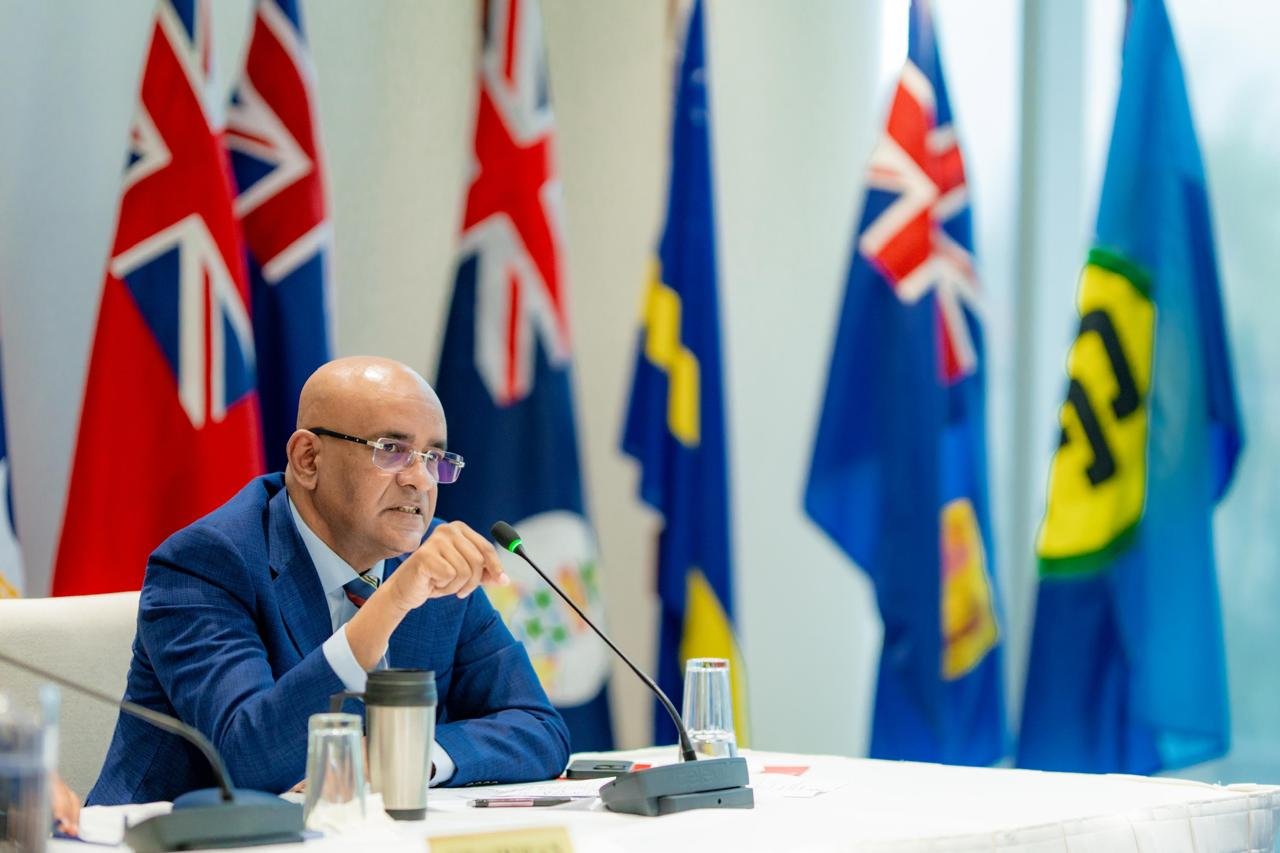
Vice President Dr Bharrat Jagdeo has issued a firm call for Caribbean leaders to reconsider their approach to climate policy, urging a move away from repeated rhetoric towards practical, results-oriented action.
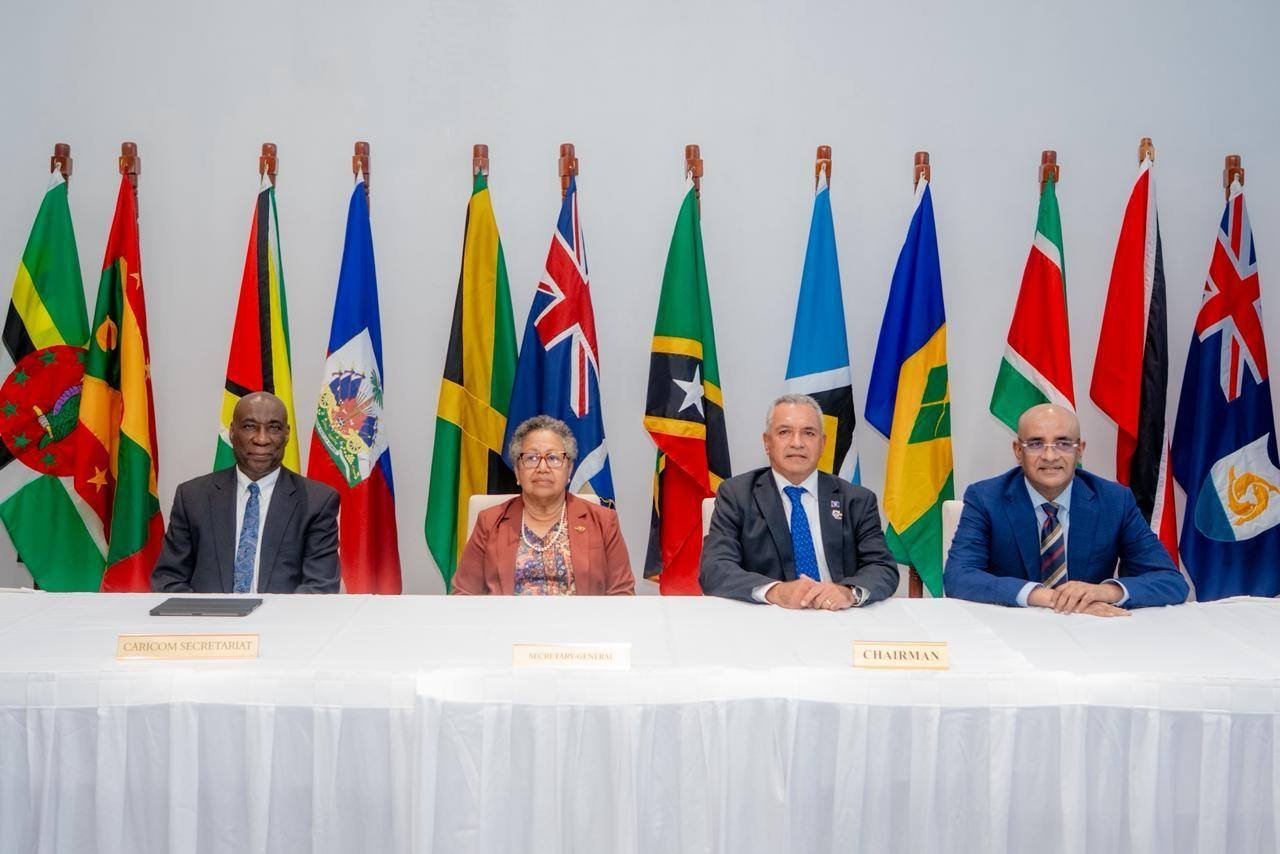
Speaking at the 124th Special Meeting of the Council for Trade and Economic Development (COTED) on Thursday, 26 March 2026, Jagdeo emphasised that while climate ambitions remain important, policymakers must face economic and geopolitical realities shaping the global energy landscape.
A Changing Global Context
Dr Jagdeo highlighted increasing international instability—including tensions involving Iran, Israel, and the United States—as a reminder that the shift away from fossil fuels is still ongoing. He pointed out that rising fuel prices and strained national budgets are revealing vulnerabilities in countries that depend heavily on energy imports.
He warned that the worldwide move towards renewable energy must be realistic, recognising that fossil fuels will continue to be part of the energy mix for the foreseeable future.
Beyond the Fossil Fuel vs Renewable Debate
Rejecting the idea that countries must choose between fossil fuels and renewables, Jagdeo promoted a balanced and pragmatic approach. He highlighted the importance of combining cleaner energy sources with efficiency improvements, while also supporting innovation and emerging technologies.
According to Jagdeo, framing the issue as a binary choice oversimplifies the challenges facing developing nations, especially in the Caribbean, where energy security and affordability remain urgent concerns.
Frustration with Global Climate Processes
The Vice President also voiced worries about how effective international climate talks are, especially within the framework of the Conference of the Parties. He claimed that repeated meetings often lead to the same issues being repeated without making meaningful progress.
He further warned that reduced participation from major global players could threaten collective efforts to meet emissions targets, making it even harder for smaller nations to reach their climate goals.
Caribbean Priorities in Focus
Dr Jagdeo outlined a clear set of priorities for the region, including reducing reliance on imported fossil fuels, investing in resilient infrastructure, and strengthening biodiversity protection. These measures, he said, are essential for building long-term sustainability and reducing vulnerability to external shocks.
He also emphasised the urgent need to reform global climate financing mechanisms, highlighting the Green Climate Fund as overly complex and inefficient. Accessing funding, he argued, remains a significant obstacle for developing countries.
Guyana’s Model and the Role of Innovation
Pointing to Guyana’s progress, Dr Jagdeo mentioned the country’s Low Carbon Development Strategy, first introduced in 2009 and later expanded through the LCDS 2030 framework. The initiative has generated nearly US$1 billion through carbon forest credits, supporting community development projects and strengthening flood defences.
He also highlighted the growing importance of artificial intelligence in environmental monitoring and policy planning, describing it as a powerful tool that can enhance decision-making. However, he warned against relying too much on technology without tackling structural challenges.
A Message to Future Leaders
In conclusion, Dr Jagdeo delivered an honest message to the next generation of Caribbean leaders, warning that without meaningful change, the region risks repeating the same discussions without tangible results.
His remarks served as both a critique of the current pace of progress and a call to encourage leaders to move beyond declarations and focus on delivering real, measurable results in the fight against climate change.