






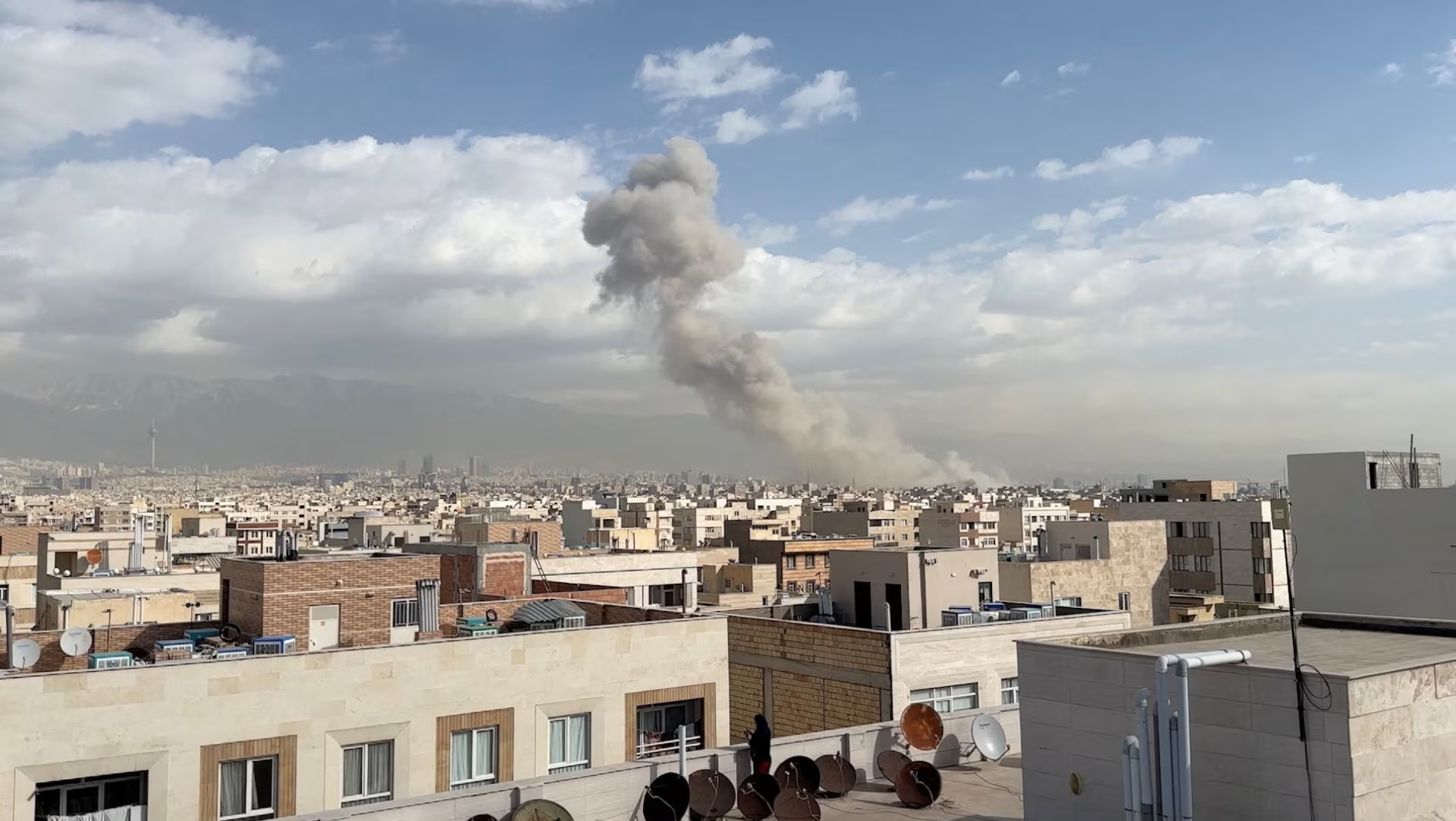
In a major escalation of tensions in the Middle East, the United States and Israel have launched coordinated military attacks against Iran, marking one of the most significant direct confrontations in years between these powers and Tehran. The strikes, which began in the early hours of 28 February 2026, targeted multiple Iranian military, governmental and strategic sites, including locations in Tehran, Isfahan, Qom and other cities. The offensive has been described by Israeli officials as a pre-emptive effort to eliminate perceived threats from Iran’s regime, particularly regarding its nuclear and ballistic missile programs.
According to statements from U.S. and Israeli leadership, the joint campaign — named variously in media reports and official comments — was designed to defend national security and counter what they describe as decades of “terrorism” and destabilizing activities linked to the Iranian government. U.S. President Donald Trump stated that the strikes were meant to “eliminate imminent threats” posed by Tehran and to degrade its military capabilities. Israeli Prime Minister Benjamin Netanyahu framed the operation as vital to neutralizing an “existential threat” and also suggested it could help usher internal change within Iran.
The scope of the assault reportedly included bombardments of Iranian military infrastructure and other strategic targets. Explosions were heard in and around Tehran, leading to closures of airspace and emergency measures by Iranian authorities. The Iranian Supreme Leader Ayatollah Ali Khamenei was said to have been moved to a secure location as the conflict unfolded.
The move came despite ongoing diplomatic talks earlier in 2026 between the U.S. and Iran aimed at curbing Tehran’s nuclear ambitions. While negotiations had shown some progress, deep disagreements over missile program limits and enforcement reportedly stalled meaningful agreement, contributing to the decision by Washington and Tel Aviv to turn to force.
Iranian Retaliation and Regional Aftermath
Within hours of the U.S.-Israel strikes, Iran launched a series of missiles and drones in retaliation, targeting Israeli territory and U.S. military bases across the Middle East. Tehran’s Revolutionary Guard declared all American and Israeli assets in the region as legitimate targets, triggering further alarms among neighboring countries and prompting flight cancellations across the Gulf region.
The rapid escalation has forced several nations to close their airspace, disrupted international travel routes, and sparked fears of a broader regional war. Countries such as Jordan, Qatar, and Iraq joined Iran and Israel in temporarily restricting flights, reflecting the widespread impact of the hostilities.
Global Reaction and Geopolitical Implications
International reactions have been mixed. Some Western allies have expressed concern about the violence, urging restraint and a return to diplomacy, while others see the strikes as a necessary blow to Iran’s regional influence. Meanwhile, governments like Russia have condemned the attacks as “unprovoked aggression”, arguing that military force against a sovereign nation could have severe humanitarian and economic consequences.
As of now, casualties and long-term impacts remain unclear, with reports continuing to emerge from the ground. The crisis highlights enduring divisions over Iran’s role in Middle Eastern geopolitics, the challenge of balancing military action with diplomatic engagement, and the potential for local conflicts to trigger wider international confrontations.
In summary, the recent U.S. and Israeli strikes on Iran signal a dramatic and dangerous turn in regional affairs, driven by concerns over security, nuclear proliferation, and long-standing political hostility. The repercussions of these actions are likely to resonate far beyond the immediate battlefield, shaping global diplomacy and military alignments for years to come.