






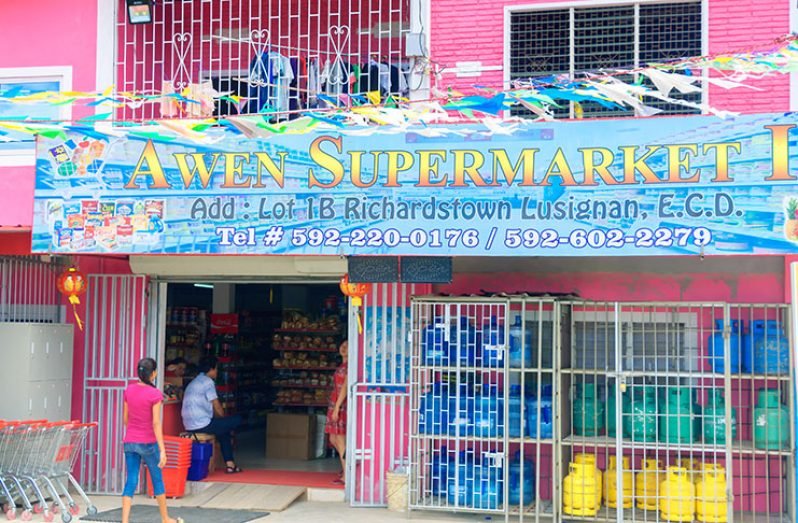
The Vice President of Guyana, Dr Bharrat Jagdeo, has clarified that he does not support restrictive regulations targeting Chinese wholesalers, retailers, or other entities operating in the country. It would be unfair to punish only one group of businesses. However, local Guyanese wholesalers and retailers are simply seeking a fair opportunity to compete in the marketplace.
Currently, there appears to be a pricing disparity between Chinese-owned shops and local businesses, creating an uneven competitive landscape. The local business community is not seeking special treatment but is calling for a level playing field where all companies, regardless of ownership, have an equal chance to succeed. They urge the government to implement measures that ensure fairness and prevent any entity from being given an undue advantage over others, fostering a business environment that benefits the entire Guyanese economy. Local companies believe in a free-market economy and recognise their collective responsibility to maintain it.
The relationship between Guyana’s local business community and the Chinese business sector has reached a critical point in recent months. Many local entrepreneurs urgently need a more balanced competitive landscape, as Chinese-owned businesses, particularly supermarkets and hardware stores, expand rapidly. This has led to growing discontent and a pressing call for government intervention to level the playing field.
One of the primary grievances among local business owners is the perception that Chinese businesses are receiving preferential treatment. Reports suggest that some Chinese businesses may benefit from duty-free concessions and tax exemptions that local companies do not receive. This perceived disparity has raised concerns about unfair competition, as it allows Chinese businesses to offer goods at lower prices, eroding the market share of their local counterparts. Many local entrepreneurs, already burdened by taxes and financial commitments such as loans, feel these advantages put them at risk.
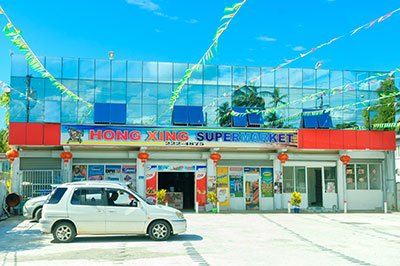
Local retailers and wholesalers in Guyana face significant challenges in competing with Chinese businesses in both retail and wholesale. The government must address this imbalance by creating a fair and supportive environment for local companies while ensuring that Chinese firms can compete on a level playing field. Our research indicates that many Guyanese retailers and wholesalers struggle to adjust their pricing strategies to remain competitive with their Chinese counterparts, who benefit from various advantages and market support.
To foster a more equitable competitive landscape, the government must explore solutions that promote fair competition between both groups. This includes providing local businesses with the support they need to compete effectively while ensuring no party receives an undue advantage. By implementing balanced policies, the government can foster a thriving business ecosystem in which Guyanese and Chinese enterprises can succeed and contribute to the nation’s economic growth.
Additionally, there are concerns about regulatory enforcement. Local businesses have expressed frustration with what they perceive as the inconsistent application of the law, with some Chinese-owned businesses allegedly bypassing necessary permits and operating outside the regulatory framework. This includes selling products without the required English labelling, which is required under Guyanese law. Moreover, there have been reports of Chinese businesses operating beyond legal business hours, further deepening local entrepreneurs’ sense of unfairness.
The situation is further complicated by the labour practices of some Chinese-owned businesses, which often hire large numbers of Chinese workers. Local business associations have questioned whether these businesses comply with local labour laws, including requirements to hire a certain percentage of Guyanese workers. This issue has contributed to the perception that Chinese companies must be fully integrated into the local economy and provide sufficient employment opportunities for locals.
The Guyanese government has acknowledged the need for stricter enforcement of regulations to address these concerns. Vice President Bharrat Jagdeo has emphasised that, while it is difficult to restrict foreign businesses under international trade agreements, the government remains committed to ensuring that all businesses, whether local or foreign, operate under the same legal framework. This includes uniformly enforcing tax laws, permits, and other regulatory requirements.
Despite these assurances, tensions persist between the local and Chinese business communities. Local business owners argue that more needs to be done to ensure a fair and competitive business environment. They have called for greater transparency in granting tax concessions and import duty exemptions, and for more rigorous oversight of foreign businesses operating in Guyana. The government has been urged to take a more proactive role in mediating these tensions to prevent further disenchantment among local entrepreneurs.
Ensuring a Level Playing Field: VAT Compliance Concerns Surround Some Chinese-Owned Businesses in Guyana
Members of the local business community have also raised broader concerns beyond VAT compliance, alleging that some Chinese-owned shops may be receiving preferential treatment and benefiting from opaque financing arrangements.
They argue that questions should be examined about whether there are allegedly coordinated purchasing networks or centralised buyers that could resemble cartel-like structures, potentially distorting competition. Additionally, there are calls for closer scrutiny of foreign exchange (FX) transactions to ensure that businesses accessing foreign currency to pay overseas suppliers do so through legal and transparent channels. Stakeholders have suggested that commercial banks and the relevant financial regulators in Guyana carefully review FX applications and documentation to confirm that funds are used strictly for legitimate imports. They stress that consistent monitoring by the banking sector and regulatory authorities would help safeguard the integrity of the financial system, ensure compliance with foreign exchange laws, and reinforce fair competition across the retail sector.
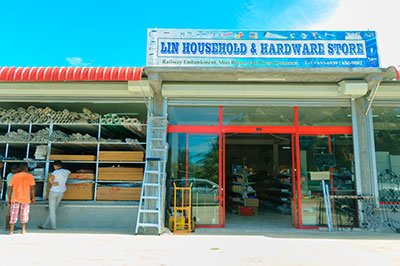
At the centre of the debate are allegations that certain retailers do not consistently issue valid tax invoices. Customers reportedly receive receipts only upon request, and in some cases, the documents are said to lack key information such as a Tax Identification Number (TIN) or clear product descriptions. Such omissions, stakeholders contend, complicate efforts to ensure transparency and accountability in retail transactions.
There are also claims that the statutory 14 per cent VAT is not always applied to eligible goods. Critics argue that when VAT is omitted or inconsistently applied, compliant businesses that strictly adhere to the law are forced to compete at a disadvantage. Additionally, reports of cash transactions conducted without formal receipts have raised concerns about the accuracy of sales reporting and the oversight of tax collection.
The government has also pledged to address specific concerns raised by local businesses, including allegations that some Chinese companies have bypassed regulatory approvals.
The tension between local and Chinese enterprises in Guyana reflects broader concerns about fair competition, regulatory enforcement, and labour practices. While the government has taken steps to address these issues, the situation remains delicate, and further efforts are needed to ensure a balanced and equitable business environment for all.
In response to public discourse, the Chinese Embassy in Guyana has urged Chinese nationals operating businesses in Guyana to fully comply with Guyanese laws and regulations. This call underscores the importance of maintaining constructive bilateral relations while respecting domestic legal standards.
Dr Bharrat Jagdeo has reiterated that local companies and foreign entities must comply with the country’s laws. If they fail to do so, the relevant authorities will take action against them.