






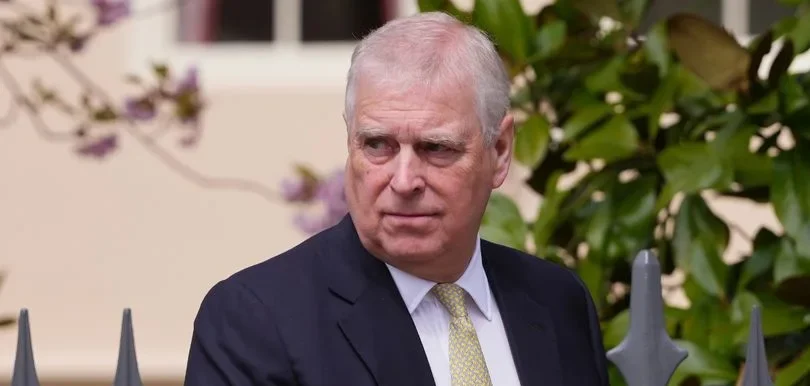
In an extraordinary and unprecedented development for the British monarchy, former Prince Andrew, Duke of York — born Andrew Mountbatten-Windsor — has reportedly been arrested in the United Kingdom on suspicion of misconduct in public office, amid renewed allegations about his links to convicted sex offender Jeffrey Epstein.
Andrew, the younger brother of Charles III, is said to remain in the custody of Thames Valley Police, according to local media reports. While British police have not formally named the arrested individual — in accordance with UK law — they have confirmed that an investigation into alleged “misconduct in public office” has been launched.
“Following a thorough assessment, we have now opened an investigation into this allegation of misconduct in public office,” said Oliver Wright, Assistant Chief Constable of Thames Valley Police.
“It is important that we protect the integrity and objectivity of our investigation as we work with our partners to investigate this alleged offence. We understand the significant public interest in this case, and we will provide updates at the appropriate time,” he added.
Under British law, police must have reasonable grounds to suspect that an offence has been committed and reasonable grounds to believe an arrest is necessary before detaining an individual.

British Law on Naming Arrested Individuals
In 2013, new guidelines were introduced stating that police in England and Wales should not name individuals arrested unless they are formally charged. The only exception applies in clearly identified circumstances, such as when there is a threat to life or a pressing public safety concern.
Even after a suspect has been charged, withholding their name requires consultation with the prosecutors.
These rules emerged following the Leveson Inquiry, which was launched after the 2011 phone-hacking scandal involving journalists at the now-defunct News of the World. The controversy erupted when it was revealed that the newspaper had hacked the communications of celebrities, politicians, and murdered schoolgirl Milly Dowler. Then-Prime Minister David Cameron appointed Lord Justice Leveson to examine press ethics and media practices.
The policy of withholding names until charges are laid has been criticised by sections of the British press, who argue that identifying suspects may encourage victims to come forward. Critics of anonymity, however, claim that it makes it more difficult for potential victims and journalists to understand the scope of investigations.
Arrest Follows Release of Epstein Files
The reported arrest comes after renewed scrutiny following the release of files in the United States linked to Jeffrey Epstein. Earlier this month, Buckingham Palace issued an unprecedented statement indicating that Britain “stands ready” to support a police investigation into the conduct of Andrew Mountbatten-Windsor.
“The King has made clear, in words and through unprecedented actions, his profound concern about allegations that continue to come to light regarding Mr Mountbatten-Windsor’s conduct,” Buckingham Palace said at the time.
If confirmed, this would mark one of the most serious legal developments involving a senior member of the royal family in modern history. Observers note that it is extremely rare — if not unprecedented — for police action of this nature to involve a member of Britain’s royal household, making the situation historically significant.
Authorities have emphasised that investigations are ongoing and that further updates will be provided as appropriate.