






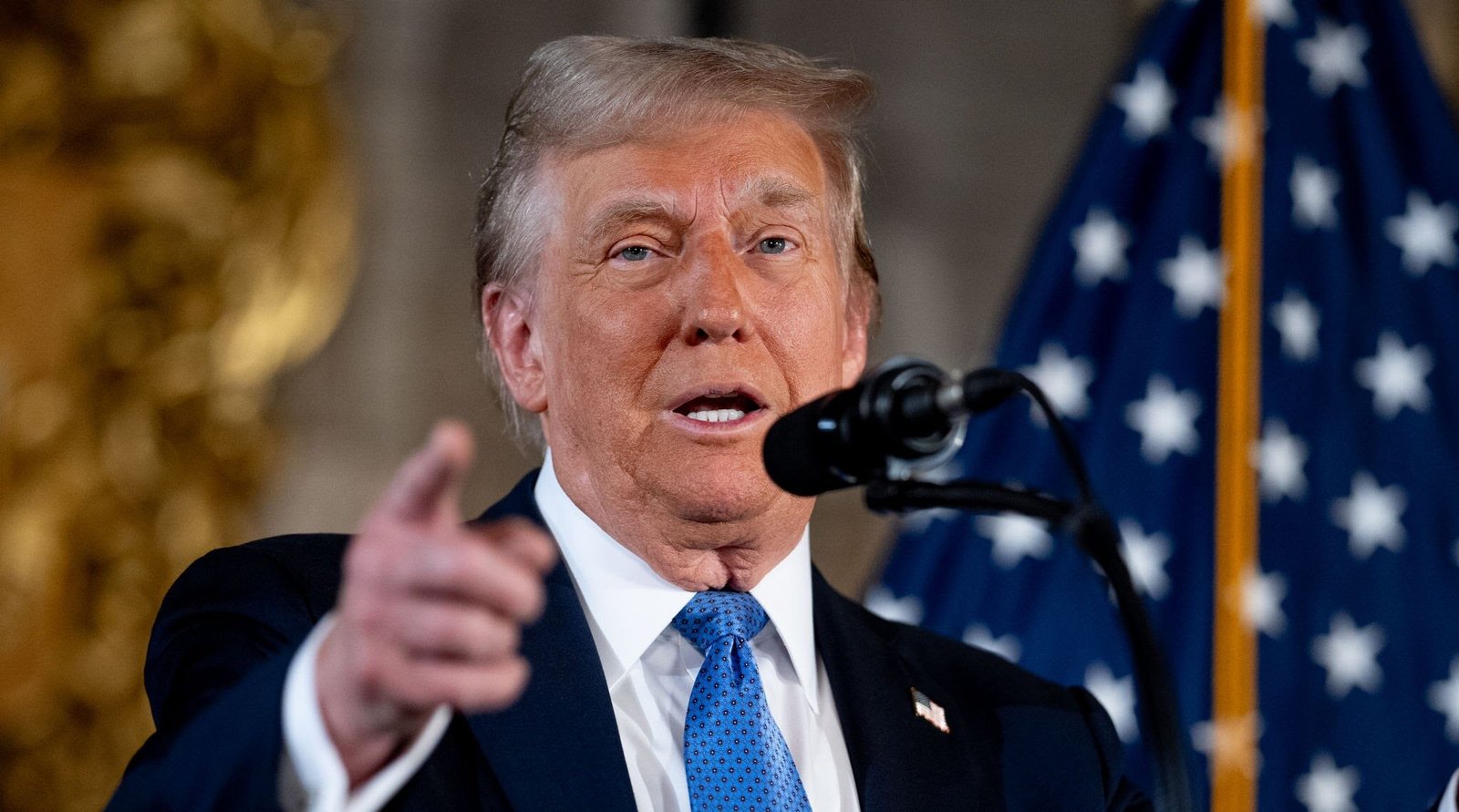
U.S. President Donald Trump on Thursday reiterated that he hopes to avoid military conflict with Iran, even as tensions between Washington and Tehran remain high over Iran’s nuclear program and recent regional security threats.
Trump’s remarks came as the United States has deployed a significant naval force toward Iranian waters and continued to pressure Tehran to return to negotiations.
Speaking to reporters at an event, Trump said the U.S. currently has a strike group of powerful ships headed toward Iran, but added, “hopefully we won’t have to use it.” He noted that he has already been in communication with Iranian officials and plans to continue talks, signaling a preference for diplomacy over military confrontation.
The president’s comments reflect a potential shift in tone from earlier warnings, when he stressed that “time is running out” for Iran to agree to a nuclear deal that would prevent the development of nuclear weapons. Trump also made clear previously that the U.S. is prepared to use force if negotiations fail, underscoring ongoing concerns about Tehran’s nuclear ambitions.
Despite Trump’s hopes for a peaceful resolution, Iranian authorities have threatened strong retaliation if the United States were to launch an attack. Iranian military officials have stated that any aggression by Washington would be met with a decisive response, emphasizing Tehran’s readiness to defend itself.
At the same time, United Nations Secretary-General António Guterres has called for renewed diplomatic efforts to avert a crisis with potentially devastating consequences for the wider Middle East. European and Gulf states have also urged restraint from both sides as international concerns grow over the risk of escalation.
Trump’s comments underscore a complex moment in U.S.–Iran relations: the United States is visibly reinforcing its military posture in the Middle East while also seeking to keep open the possibility of dialogue, reflecting the delicate balance between deterrence and diplomacy.