






Close Menu
DemocracyGuyana.comDemocracyGuyana.com

    Subscribe to Updates

    Get the latest news from DemocracyGuyana.com

    What's Hot

    Gold pauses rally near record high as Trump signals deal on Greenland

    January 22, 2026

    Trump declaration of Greenland framework deal met with scepticism amid tariff relief

    January 22, 2026

    Opposition Leader Vote Set for January 26 as Guyana National Assembly Speaker Mr Manzoor Nadir Warns of “Damaging Choice”

    January 21, 2026
    Facebook X (Twitter) Instagram
    • About DG
    • Join as Volunteers
    • Become a Member
    Facebook X (Twitter) Instagram YouTube TikTok
    DemocracyGuyana.comDemocracyGuyana.com
    Jet Global Airways
    • Home
    • Diaspora
    • Guyana News
    • Global News
    • Artificial Intelligence
    • Business Opportunities
    • Advertise with us
    • Photo Gallery
    • Videos
    • World Newspapers
    • Contact Us
    DemocracyGuyana.comDemocracyGuyana.com
    Home»Featured»The $45 Trillion Drain: How Britain Built Its Empire on India’s Wealth
    Featured

    The $45 Trillion Drain: How Britain Built Its Empire on India’s Wealth

    Special Reporter, London, UKBy Special Reporter, London, UKNo Comments4 Mins Read54,559 Views
    Facebook Twitter Pinterest LinkedIn Telegram Tumblr Email
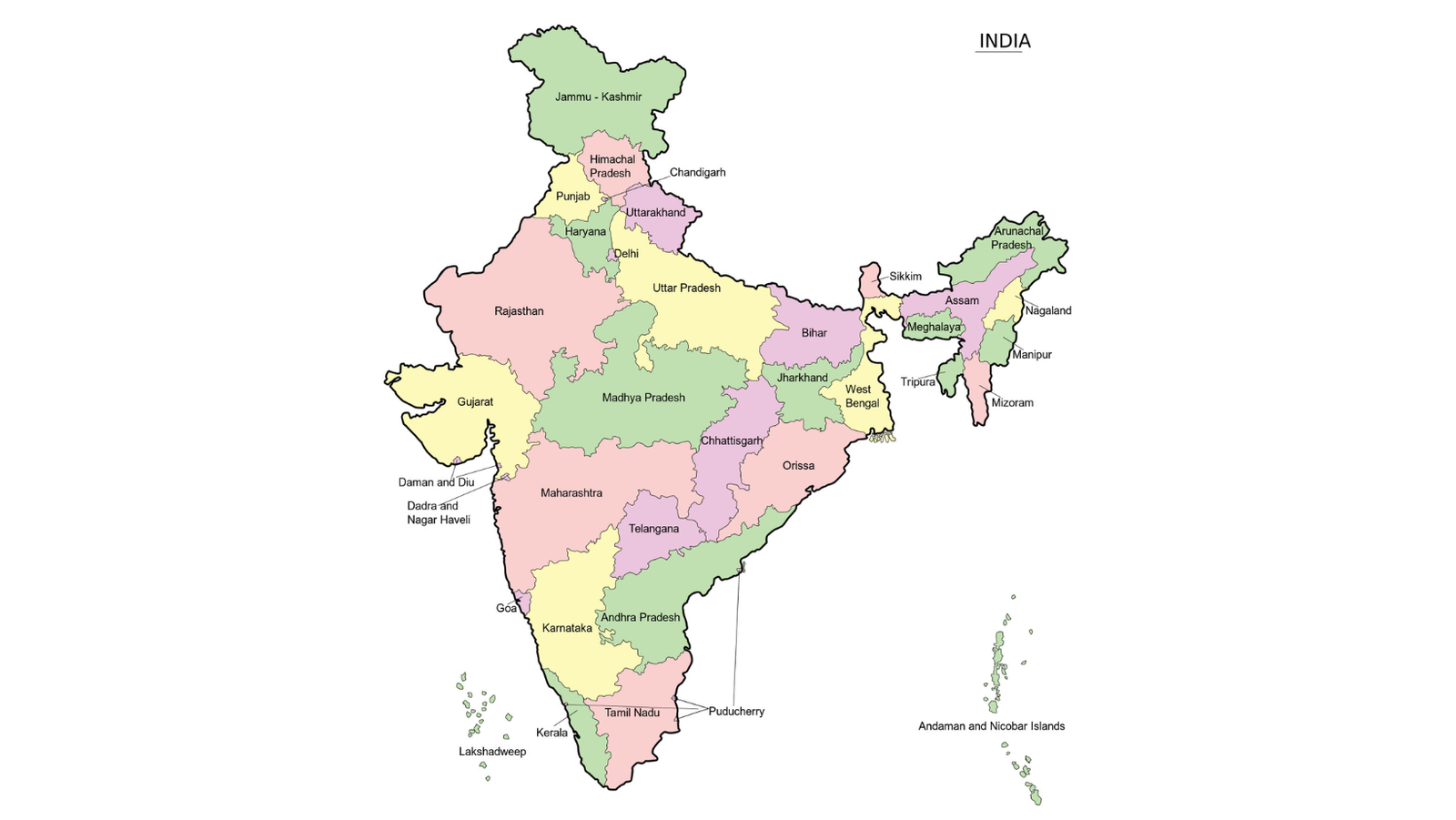
    India Map
    India Map
    Share
    Facebook Twitter LinkedIn Pinterest Email

    A common question often surfaces in discussions about Asia’s economic rise: if Japan could transform itself into a global economic powerhouse, why couldn’t India do the same? The answers usually drift toward self-criticism—claims that Indians lacked discipline, technical ability, or were constrained by rigid social structures. Some even argue that despite inheriting modern infrastructure from British rule, India failed to capitalise on it. Rarely, however, does the discussion turn to India’s own economic history, where the real explanation lies.

    In the late nineteenth and early twentieth centuries, Japan underwent a dramatic transformation during the Meiji era. The country aggressively industrialised, exported goods, imported Western machinery and technology, built railways and communication networks, and laid the foundations of a modern industrial economy. India, with its skilled workforce, raw materials, and global trade connections, was fully capable of a similar trajectory. The critical difference was capital. Japan had resources to invest; India did not. Instead of funding factories and railways, India was battling recurrent famines and mass poverty—despite generating enormous wealth through trade.

    This contradiction raises a fundamental question: if India produced so much wealth, where did the money go?

    That question was rigorously examined by renowned economic historian Utsa Patnaik. In her groundbreaking 2017 research, Patnaik demonstrated that between 1765 and 1938, Britain extracted an estimated $45 trillion from India. This staggering figure is many times larger than Britain’s present-day annual economic output. The wealth siphoned from India not only powered Britain’s rise as a global empire but also financed industrial and infrastructure development across the UK, Europe and North America.

    The mechanics of this extraction were neither accidental nor subtle. Indian thinkers such as Dadabhai Naoroji and R. C. Dutt had already identified this process in the nineteenth century, calling it the “drain of wealth.” They argued that colonial rule systematically transferred India’s surplus to Britain, leaving the colony impoverished. Patnaik’s work revisited this theory with detailed data, quantifying the scale of the loss and connecting it directly to the rise of modern Western capitalism.

    Under the rule of the East India Company, the extraction began in a particularly perverse way. Indian producers exported goods, but payment did not come from British revenues. Instead, the Company paid exporters using tax money collected from Indians themselves. In practical terms, Britain obtained Indian exports without spending its own resources. Later, under direct Crown rule, the mechanism evolved, but the outcome remained the same. Foreign buyers paid for Indian goods using financial instruments settled in Britain, while Indian exporters were compensated from taxes raised within India. The actual export earnings never returned to the Indian economy; they were transferred to London.

    As a result, India’s large trade surplus—which could have financed industrial growth, technological imports, and infrastructure development—was absorbed into Britain’s imperial finances. This wealth funded Britain’s administration, military expansion, and overseas investments, while India was left capital-starved. Japan, by contrast, retained its export earnings and reinvested them domestically, accelerating its industrial rise.

    When Dadabhai Naoroji published Poverty and Un-British Rule in India in 1867, he could already see the devastating effects of this drain. What he could not fully calculate at the time was its sheer magnitude. Yet his core insight was correct: India’s poverty was not the result of cultural failure or lack of effort, but of a systematic economic extraction that redirected its wealth to UK coffers and elsewhere.

    Understanding this history fundamentally reframes the question of why India did not follow Japan’s path. The issue was never capability or ambition. It was the absence of capital—capital that India produced but was never allowed to use.

     Britain stole $45 trillion from the people of India. It is important that the UK acknowledges the cost of draining $45 trillion to build its worldwide empire. Today, India is the fourth-largest economy on Earth and will soon be the third. In 20 years, India will be number one in the world.  

    Share. Facebook Twitter Pinterest LinkedIn Tumblr Email
    Special Reporter, London, UK
    Special Reporter, London, UK

    Related Posts

    Gold pauses rally near record high as Trump signals deal on Greenland

    Trump declaration of Greenland framework deal met with scepticism amid tariff relief

    Opposition Leader Vote Set for January 26 as Guyana National Assembly Speaker Mr Manzoor Nadir Warns of “Damaging Choice”

    EU on cusp of historic trade deal with India: Ursula von der Leyen

    “Mr President, F*** Off”: Danish MP To Trump During Greenland Debate

    Is Trump changing international geopolitics for good?

    Leave A Reply Cancel Reply

    Top Posts

    The Hollow Ambitions of Nigel Hughes: A Political Opportunist and Exhibitionist with Empty Promises.

    July 11, 2024980K Views

    What do you make of it? by Leonard Craig

    November 18, 2024744K Views

    President Irfaan Ali Emphasises Discipline and Accountability Over Project Delays

    November 13, 2024566K Views
    Don't Miss

    Gold pauses rally near record high as Trump signals deal on Greenland

    Gold prices paused near record highs on Thursday as investors reassessed risk after former US…

    Trump declaration of Greenland framework deal met with scepticism amid tariff relief

    January 22, 2026

    Opposition Leader Vote Set for January 26 as Guyana National Assembly Speaker Mr Manzoor Nadir Warns of “Damaging Choice”

    January 21, 2026

    EU on cusp of historic trade deal with India: Ursula von der Leyen

    January 21, 2026
    Stay In Touch
    • Facebook
    • YouTube
    • TikTok
    • WhatsApp
    • Twitter
    • Instagram
    Latest Reviews
    72

    Over 50 poisoned at wedding in Iraq

    8.9

    EAM Jaishankar Meets Guyanese PM Mark Phillips, Discuss Energy, Disaster Resilience And Defence Cooperation

    Most Popular

    The Hollow Ambitions of Nigel Hughes: A Political Opportunist and Exhibitionist with Empty Promises.

    July 11, 2024980K Views

    What do you make of it? by Leonard Craig

    November 18, 2024744K Views

    President Irfaan Ali Emphasises Discipline and Accountability Over Project Delays

    November 13, 2024566K Views
    Our Picks

    Gold pauses rally near record high as Trump signals deal on Greenland

    January 22, 2026

    Trump declaration of Greenland framework deal met with scepticism amid tariff relief

    January 22, 2026

    Opposition Leader Vote Set for January 26 as Guyana National Assembly Speaker Mr Manzoor Nadir Warns of “Damaging Choice”

    January 21, 2026
    Popular Categories
    • Global News
    • Election Rigging
    • Sports
    • Special News
    • Guyana and Private Tenders
    Do you want to associate with us
    • Business Opportunities
    • Advertise with us
    • Contact Us
    • www.democracyguyana.com Guyana – London – India

      For more information, contact us.
    DemocracyGuyana.com
    Facebook X (Twitter) Instagram YouTube TikTok
    • Home
    • About DG
    • Become a Member
    • Join as Volunteers
    • Forum
    • Advertise with us
    DG BRANCHES: GUYANA, USA, CANADA, UK, CARIBBEAN, AND INDIA
    © 2026 DemocracyGuyana.com.

    Type above and press Enter to search. Press Esc to cancel.