






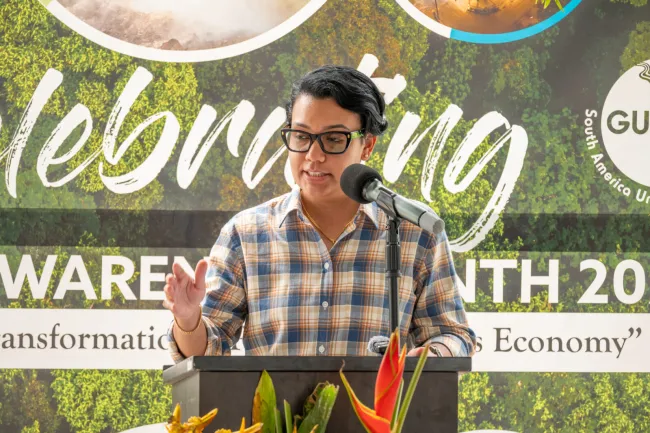
Guyana is rapidly sharpening its profile as a rising tourism destination, with the government rolling out wider incentives, new investment pathways and a deeper push into eco-friendly and community-centred accommodation. This renewed momentum was outlined by Minister of Tourism, Industry and Commerce Susan Rodrigues, who highlighted the country’s evolving tourism strategy and its major shift towards small-scale participation.
Minister Rodrigues explained that while Guyana already offers a robust package of tax waivers and concessions for tourism projects, the country still faces a shortage of diverse accommodation — particularly nature-based cabins, retreats and resort-style properties. This gap, she noted, directly inspired the government’s recent call for proposals to build eco-lodges across several regions.
Over the past half-decade, Guyana has seen the opening of six international hotel brands, adding approximately 600 rooms to its accommodation capacity. Properties such as AC Marriott and Aiden by Best Western are already operational, while larger chains, including Sheraton and Hyatt, continue to expand. Another 15 hotels under construction are expected to add roughly 2,000 rooms upon completion.
But Minister Rodrigues stressed that while traditional hotel development is moving in the right direction, the next phase of Guyana’s tourism evolution must prioritise eco-lodges, retreat-style accommodation and other niche experiences that bring visitors closer to culture, wildlife and indigenous heritage. She emphasised that this space is particularly ripe for local entrepreneurs.
According to Minister Rodrigues, many Guyanese underestimate how accessible tourism investment can be. Individuals expanding their homes by as little as three to five rooms—whether for Airbnb or small guesthouse operations—qualify for concessions. This approach is central to the government’s policy of ensuring that ordinary citizens directly benefit from the sector’s growth.
She cited upcoming expansions at Baganara Island Resort as an example of local operators responding to rising visitor demand.
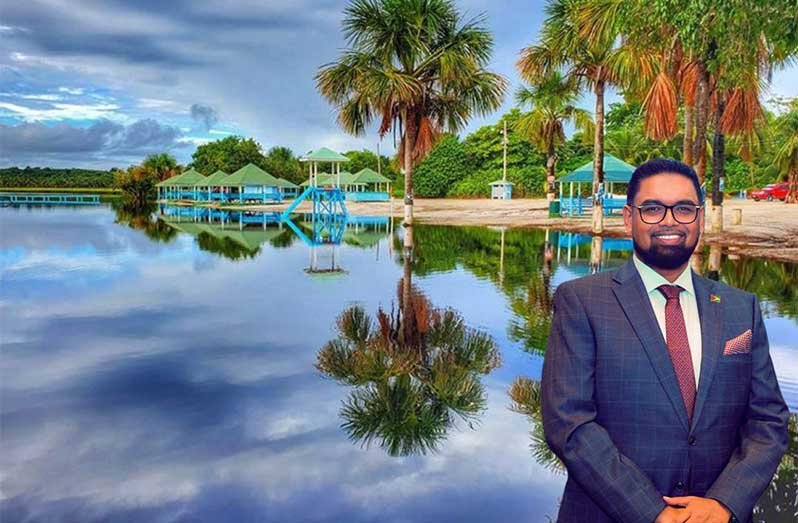
As Guyana records record-breaking tourist arrivals, Minister Rodrigues said the broader national objective is clear: to transform the country into a high-value, conservation-driven destination that spreads economic benefits to small businesses, transport providers, food vendors, and homeowners. Many indigenous communities, she said, stand to benefit significantly from jobs, cultural exchange and sustainable income opportunities.
Government agencies are actively helping operators understand the process for accessing concessions, while the Guyana Tourism Authority (GTA) continues to champion local tourism products internationally. Minister Rodrigues highlighted the GTA’s “free marketing” support and its extensive training initiatives, which have reached more than 8,500 Guyanese over the past five years.
A Minister’s Journey and the Sector’s Momentum
Reflecting on her early months in office, Minister Rodrigues described her role as demanding yet deeply rewarding. Taking on an expanded portfolio gave her a new appreciation of the Ministry’s reach, and she credited President Irfaan Ali’s expertise in tourism for shaping its current approach.
Her appointment came just before the peak tourism season, creating an intense schedule of national activities. Tourism Awareness Month enabled her to engage directly with operators and visit attractions firsthand. Rodrigues said this hands-on learning reinforced her belief that Guyanese themselves must explore their country to truly advocate for it.
She also highlighted the deliberate focus on local products and performances at GuyExpo, describing it as an intentional celebration of national capacity. The One Guyana Christmas Village recorded its highest-ever attendance, with diaspora visitors responding to strong digital engagement from national leaders.
Infrastructure, Access and New Tourism Horizons
Minister Rodrigues addressed the high cost of local travel, emphasising that major infrastructure projects are designed to address it. Roads such as the Linden–Mabura corridor and the upcoming connection to Lethem will make hinterland events—such as the Region Nine rodeo—accessible to ordinary Guyanese. She added that upgraded airstrips are lowering aviation costs, and that those savings should eventually be passed on to passengers.
Guyana is also positioning itself for small expedition cruise tourism. While the country cannot yet accommodate large commercial ships, Minister Rodrigues said that smaller cruise ships fit perfectly with Guyana’s environmentally conscious tourism model. Several have already docked, and more are expected soon.
Interest in eco-lodge development is surging, with around 30 concepts submitted from across the country. Each proposal, Minister Rodrigues said, offers a distinct vision and contributes to a shared goal: creating community-centred tourism hubs that support preservation and cultural continuity.
Defining Guyana’s Signature Tourism Identity
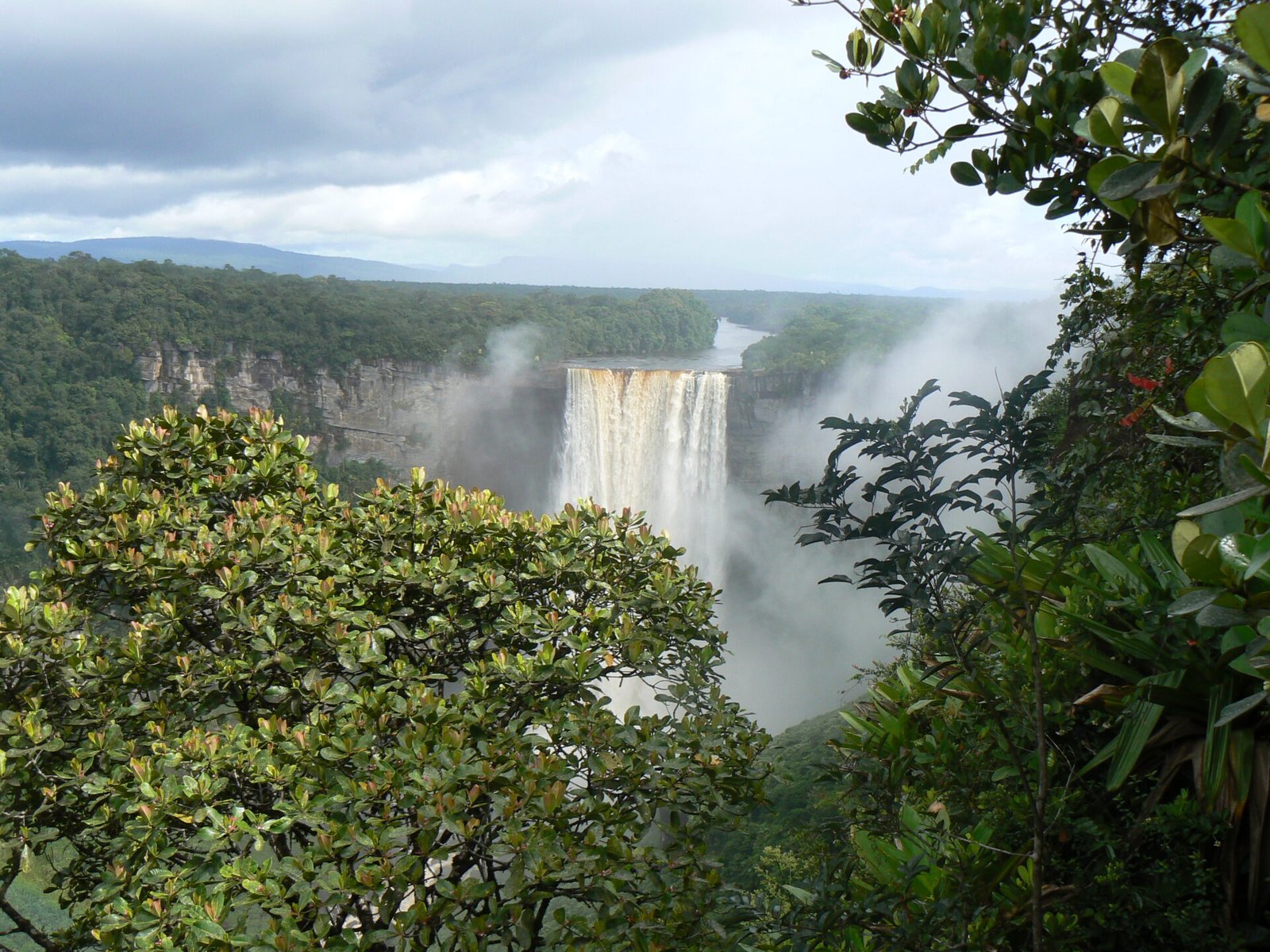
Unlike many Caribbean states built on mass tourism, Minister Rodrigues said Guyana is deliberately charting its own path—one centred on sustainability, authenticity and adventure. The country’s tourism experience is layered: visitors can explore Georgetown’s urban atmosphere before venturing into rainforests, waterfalls, ranches or savannas.
Expanded airlift, including the addition of nine new airlines over the past five years, is already enhancing connectivity. Ensuring high-quality service standards will be supported by the upcoming Tourism and Hospitality Institute, set for completion by mid-2026, which will train Guyanese to internationally recognised benchmarks. “Guyana stands apart naturally,” she said. “That is exactly what gives us a competitive edge.”
From infrastructure upgrades to eco-conscious investments, Minister Rodrigues said the country’s path is clear: build a tourism product that keeps visitors coming back while preserving what makes Guyana unique.
Finally, it would be fair to say that Minister Susan Rodrigues has taken Guyana’s tourism to a new level. Whilst there is no doubt about the importance of Guyana’s tourism sector, there are still opportunities to grow it, making it more productive, competitive and profitable than it is today. Minister Rodrigues understands the tourism sector very well, and she knows that our domestic tourism industry, in particular, offers strong growth potential. The next few years also provide an unprecedented series of opportunities which our tourism industry must grasp. Minister Susan Rodrigues is the right Minister to promote the tourism sector to the world.