






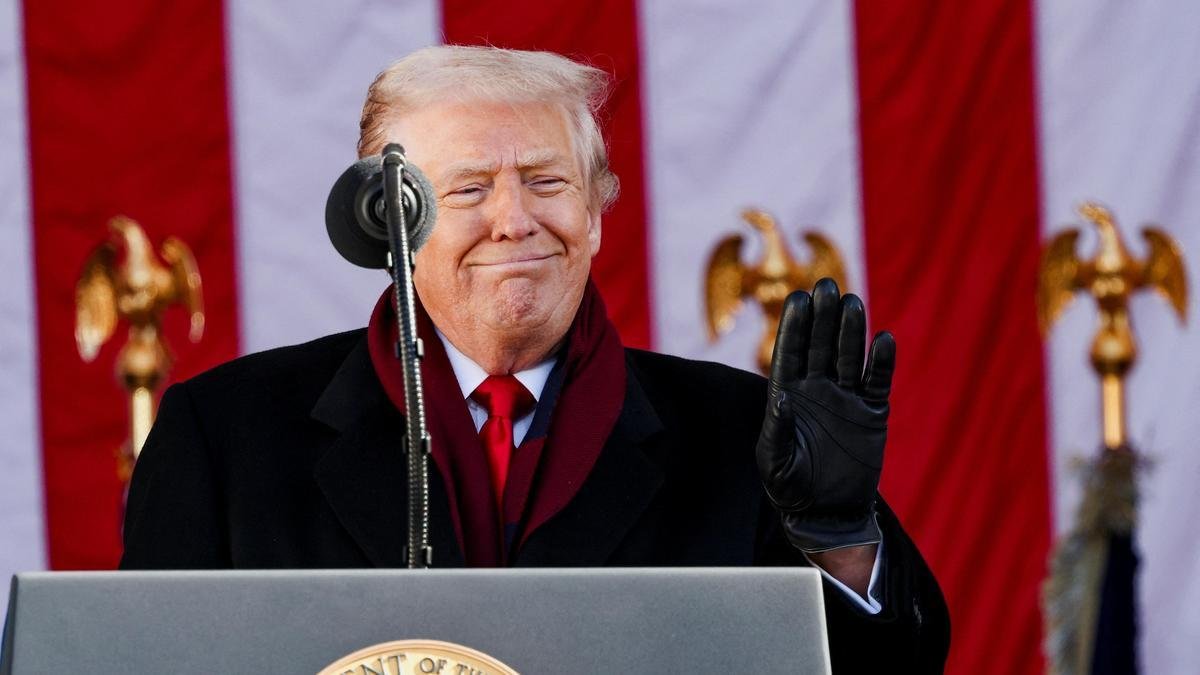
The White House on Monday defended the controversial U.S. military operation in the Caribbean that included a follow-up strike killing survivors of an alleged drug-smuggling boat, even as former President Donald Trump offered a conflicting account of who authorized the action. The incident, which took place on September 2, has drawn intense scrutiny from Congress, legal experts, and international observers after reports confirmed that a second strike was launched on two men who were clinging to debris after the initial attack destroyed their vessel.
According to the administration, the follow-up hit was ordered by Vice Admiral Frank “Mitch” Bradley, who they say acted within his legal authority. White House Press Secretary Karoline Leavitt insisted that the operation was lawful and consistent with U.S. rules of engagement, framing it as part of a broader counter-narcotics mission targeting what officials describe as “narco-terrorist” threats. However, her statements directly contradicted Trump’s remarks, where he claimed that Defense Secretary Pete Hegseth told him he never ordered such a strike. Trump publicly said he accepted Hegseth’s denial and suggested that he personally would not have supported a second, lethal hit on survivors.
The contradictory explanations have fueled political tension in Washington. Congressional committees are now demanding full access to video footage, communications, and operational orders related to the strike. Lawmakers from both parties have raised concerns over whether the killing of shipwreck survivors could constitute a violation of international humanitarian law. Several legal experts have noted that intentionally targeting individuals rendered defenseless at sea may rise to the level of a war crime, depending on the circumstances and classification of the individuals involved.
International fallout has also escalated, particularly in Venezuela, which claims some of its nationals were killed in the operation and has launched its own investigation. Venezuelan officials have condemned the U.S. action as an unlawful execution in international waters, complicating already strained relations between the two countries.
As pressure mounts, Admiral Bradley is expected to brief Congress, while lawmakers consider formal hearings to determine who ultimately authorized the second strike and whether the administration’s legal justification can withstand scrutiny. The incident has raised broader concerns about transparency, oversight, and the precedent such actions may set for future maritime operations involving suspected smuggling vessels.